
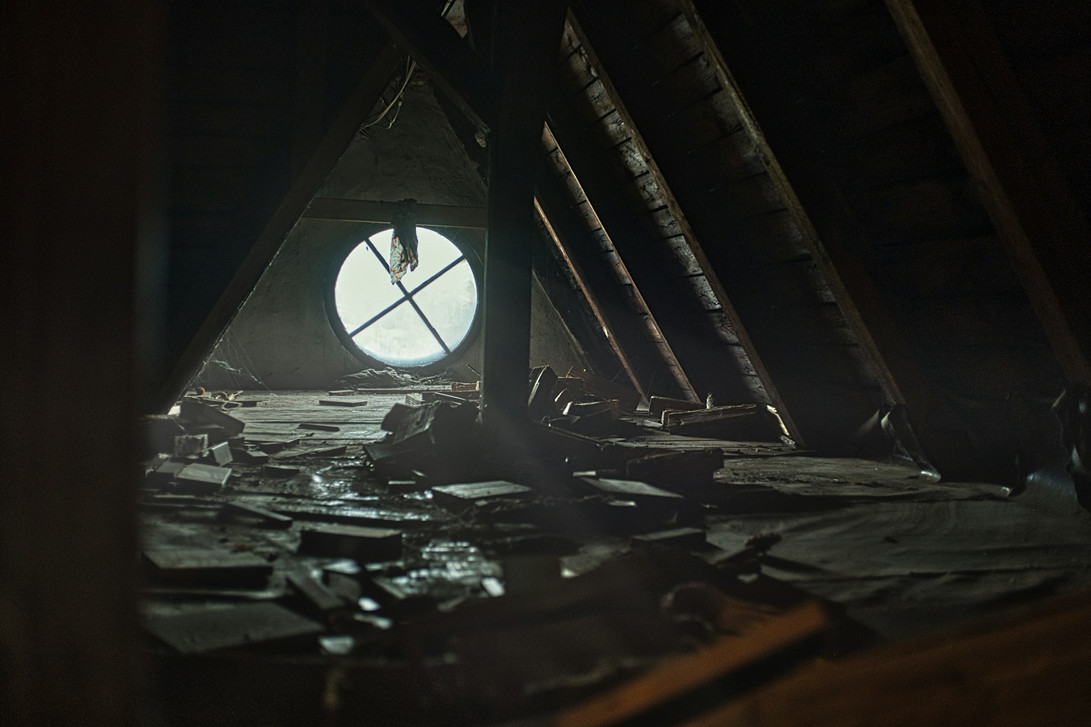
The adjuster's photos show a brown stain on the bedroom ceiling. Up in the attic you find the leak, plus a latrine of droppings near the eaves and a smoky smell left over from a chimney fire two winters ago. One attic, three contamination problems, and each one changes how the job is run.
Contaminated insulation removal is mostly a triage exercise. Before anyone runs a hose, a good crew decides what got into the insulation, whether any of it can stay, what the workers need to wear, and how heavy and dusty the material will be in the bags. Get those calls right and the removal itself is the easy part.
Start by naming the contaminant
Insulation is a filter by design. Loose fill and batts are full of air pockets, and whatever lands in them (urine, spores, soot, silt) works its way down between the fibers where no wipe or spray can reach. That's why the starting assumption on almost every contaminated job is removal, with "clean in place" reserved for a few narrow cases.
Here's how the common contaminants usually sort out:
|
Contaminant |
What it does to the insulation |
Usual call |
What changes on the job
|
|---|---|---|---|
|
Rodent and wildlife waste |
Urine and droppings soak in; nests, tunnels, odor |
Remove the affected area, often the whole attic |
Disinfection first, sealed suits, exclusion work coordinated |
|
Mold |
Growth on dust and facings; spores held in the fibers |
Remove visibly moldy porous insulation |
Fix the moisture source, contain the area, clean the wood |
|
Clean water (roof or supply leak) |
Matting, lost loft, wet framing underneath |
Sometimes dry, often remove |
Heavy bags, lighter fills, drying afterward |
|
Floodwater or sewage |
Pathogens and silt through the full depth |
Remove, no exceptions |
Treated as a biohazard job |
|
Fire and smoke |
Char, melted facings, soot film, odor |
Remove anything sooted or heat damaged |
Fine greasy dust, odor control afterward |
|
Asbestos or suspect vermiculite |
Fiber release when disturbed |
Stop. Not an insulation crew job |
Testing and licensed abatement |
Asbestos is the one contaminant that ends your part of the job
Check for it before anything else, because it overrides every other finding. Vermiculite looks like small pebbly granules and, according to the EPA's guidance on vermiculite insulation, is usually gray-brown or silver-gold. The EPA's advice is to leave it undisturbed and not try to remove it yourself.
That rules out vacuum removal for that material. Removal bags, ours among them, aren't HEPA rated (nobody makes one that is), so they have no place on an asbestos job. Treat suspect material as asbestos-containing until a lab says otherwise and hand that part of the work to a licensed abatement firm. The rest of the attic can wait.
Rodent and wildlife waste: disinfect first, then remove
Rodent jobs are the most common contaminated attics we hear about. Mice and rats tunnel through loose fill, nest in it and use it as a toilet, so contamination is rarely limited to what you can see on the surface. Raccoons pick a latrine spot and keep coming back; bats leave guano in piles under the roost.
The CDC's rodent cleanup guidance is the baseline for this work. It says not to sweep or vacuum urine, droppings or nesting material, to soak contaminated areas with disinfectant and let it sit (5 minutes, or whatever the product label says), and to put contaminated insulation into plastic bags for removal. Professional crews build their wildlife protocols around that guidance, and the details for hantavirus, roundworm and histoplasmosis risk deserve their own planning before the job starts.
Two things make rodent jobs go smoothly:
- Exclusion comes first. If the entry points aren't sealed, you'll be back next season vacuuming the same attic.
- Suits matter more than usual. A microporous coverall acts as a barrier to hazardous dusts and light liquid splash and keeps contamination off street clothes. Our Microvek Heavy Duty coveralls come in packs of 50, which is about right for a crew that suits up fresh every time it leaves containment.
Mold: the insulation goes, the cause gets fixed, the wood gets cleaned
Moldy insulation is a symptom. Somewhere there's a roof leak, a bath fan dumping steam into the attic or warm air leaking up through the ceiling and condensing on cold sheathing. Pulling the insulation without fixing that just resets the clock.
Fibrous insulation that's visibly moldy can't be reliably cleaned, because the growth sits on dust and facings deep inside the material. On an attic job that means the insulation comes out so the crew can clean the sheathing and framing behind it, dry everything and correct the moisture problem before new material goes in. Mold jobs also call for containment so spores don't drift down through the hatch or ceiling penetrations into the house.
Water: clean water gives you options, dirty water doesn't
Water damage is the one category where saving insulation is sometimes realistic. Fiberglass batts that caught a short burst of clean water from a supply line, kept their loft and can be dried quickly may be fine. Cellulose and loose fill that got soaked usually aren't, because they mat down, hold water against the ceiling drywall and dry slowly.
Dirty water removes the choice. The CDC's disaster cleanup guidance says to remove and discard drywall and insulation that has been contaminated with sewage or floodwater. Treat any sewage backup into a wall or ceiling cavity as a contaminated removal, with the PPE and decontamination that go with it.
Wet insulation of any kind is also brutally heavy, which is where most of the equipment decisions come from (more on that below).
Fire and smoke: if it smells, it comes out
After a fire, insulation can be charred, melted along its facing, soaked by suppression water or simply coated in a fine, oily soot film. Even material that looks fine can hold smoke odor through its full depth. Deodorizing equipment treats the air and surfaces, but it can't pull residue out of a fluffy material with that much surface area, so sooted or smoky insulation is almost always removed before odor treatment starts.
Fire attics carry two extra hazards: weakened framing and ceilings that may not take a worker's weight, and damaged wiring. Nobody goes up until the structure and utilities are cleared.
What every contaminated job has in common at the bag end
Once the triage is done, the removal follows the same pattern whatever the contaminant:
- Machine outside, bags outside. Park the vacuum and stage the bags outdoors so exhaust never enters the living space. Leave a length of hose between the vacuum's exhaust and the bag inlet, because a bag clamped directly to the outlet takes every nail at full speed.
- Pull batts by hand first, then vacuum loose fill. On mixed attics, hand-bag the batts so they don't jam the hose.
- Start at the point farthest from the hatch and retreat toward it. Nobody walks back across a cleared area, and the hose shortens as you go.
- Fill to about 85 percent. That leaves room to close the bag without puffing contaminated dust out of the spout. Wet loads should go lighter still, because they reach the weight rating long before the bag looks full.
- Close bags where they're filled. A sealed bag can be moved through the property without spreading anything.
Bag choice is where contaminated jobs differ most from routine ones. Dusty, wet or heavy material needs the strongest, least dusty fabric you can get, which is why restoration crews lean on the RAM PRO-450 Super Duty bag: rated to 450 pounds in a 75 cubic foot size, with the highest filtration and lowest dust of any bag we make. On large losses, trailer and dumpster bags go straight into a dump trailer or roll-off and get filled where they sit, so contaminated material never travels through the house.
Order the right bags for the loss you're actually facing
Wet, packed and fire-damaged insulation all take more bags than a dry estimate suggests, so plan on 10 to 15 percent extra. Our free insulation bag calculator lets you set the condition of the material and gives a count for each bag model. The full range of removal bags for restoration work ships free the same day you order, and our phone at 404-354-6268 is staffed around the clock if you'd like to walk us through a loss before you buy.
Frequently Asked Questions
Can contaminated insulation be cleaned instead of removed?
Very rarely. Rigid foam board with surface-only contamination can sometimes be cleaned and dried, but fibrous and loose-fill insulation holds contamination below the surface where cleaning can't reach. For rodent, mold, sewage and smoke jobs, plan on removal.
Do I need to remove all the insulation or just the dirty area?
It depends on how far the contamination has spread. A small, well-defined leak stain can sometimes be cut out with a margin of clean material around it. Rodent activity, smoke odor and mold usually extend further than they look, so many crews quote the whole attic and adjust once they're up there.
How should contaminated insulation be disposed of?
Most contaminated insulation (other than asbestos) goes out as sealed construction debris, but local rules vary, especially for sewage-contaminated material. Check with your local waste authority and the receiving facility before hauling, and keep asbestos out of the ordinary waste stream entirely.
What should go in the job file for an insurance claim?
Dated photos before, during and after removal, a sketch of the affected area, the contamination type, how many bags came out, and where they went. Adjusters also want to see that the source (leak, entry point, fire damage) was addressed before new insulation went in.
Should contaminated insulation be bagged in the attic or vacuumed straight out?
Loose fill is best vacuumed straight to bags or a trailer bag outside, which keeps handling to a minimum. Batts and heavy wet clumps that would jam the hose are hand-bagged in the attic and closed before they're carried down.